
Last week we looked back on the last five years of big webcomics-posting hubs. Cartoonists and readers alike are dissatisfied with how the large, established, corporate-backed webtoon publishers have been running their platforms, so where are people going now?
Many cartoonists are returning to the classic path of posting one’s comic on one’s own website. Though WordPress’s Comicpress plugin is no more, developer LeeToo has created a WordPress theme called Toocheke intended for a wide range of comic-posting formats and organizational structures, as well as the plugin ChamaWP to serve as a tip jar, paid exclusive content subscription system, digital storefront, and crowdfunding hub all in one. For those not using WordPress, Comix Cleric is a new javascript framework for posting comics online created by Panel Party, a group of independent creatives passionate about supporting independent artists.
Independent webcartoonists are also banding together in webrings and collectives, such as the SpiderForest collective and Knifebeetle webring. The level of cross-member involvement and support ranges from simply linking to each other’s comics to collaborative projects, tech support, and group anthologies.
For those not ready to build a whole website, ComicFury and TheDuck (formerly DrunkDuck) are both still alive and well. Both sites are independent and community-supported (though much less active than the bigger platforms) and have been running reliably for decades. Still, as SmackJeeves’s sudden shutdown in 2020 proves, it’s a good idea to post your comic in as many places as possible, both for visibility and as backup.
There are newer webcomic hosting platforms on the scene as well. Inkverse just announced the ability to like and comment on updates last month! Their blog is focused on recommending webtoons to readers, making it difficult to find information on their mission and intentions as a platform. It’s clearly a platform in its infancy, but with time, it may become a respectable alternative host.
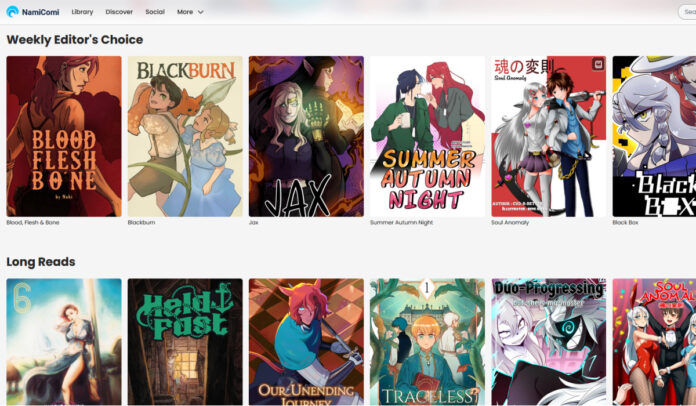
When it comes to monetization, WEBTOON updated their Canvas monetization features earlier this year. And some creators are positive about the up-and-coming NamiComi. Founded by a team with experience across anime, manga and gaming, NamiComi believes “that comics should be universally accessible, and creators should be fairly compensated for their works.” They do not support region-locking content to certain locations, and they do not intend to publish Originals as “the biggest beneficiary of such an arrangement is the publisher themselves”. However, they still intend to support and highlight promising comics on their platform using the Weekly Editor’s Choice collection. NamiComi gives creators all the tools they need to monetize their comics, whether by paywalling episodes or adding paid bonus content like on Patreon or Ko-Fi Gold.
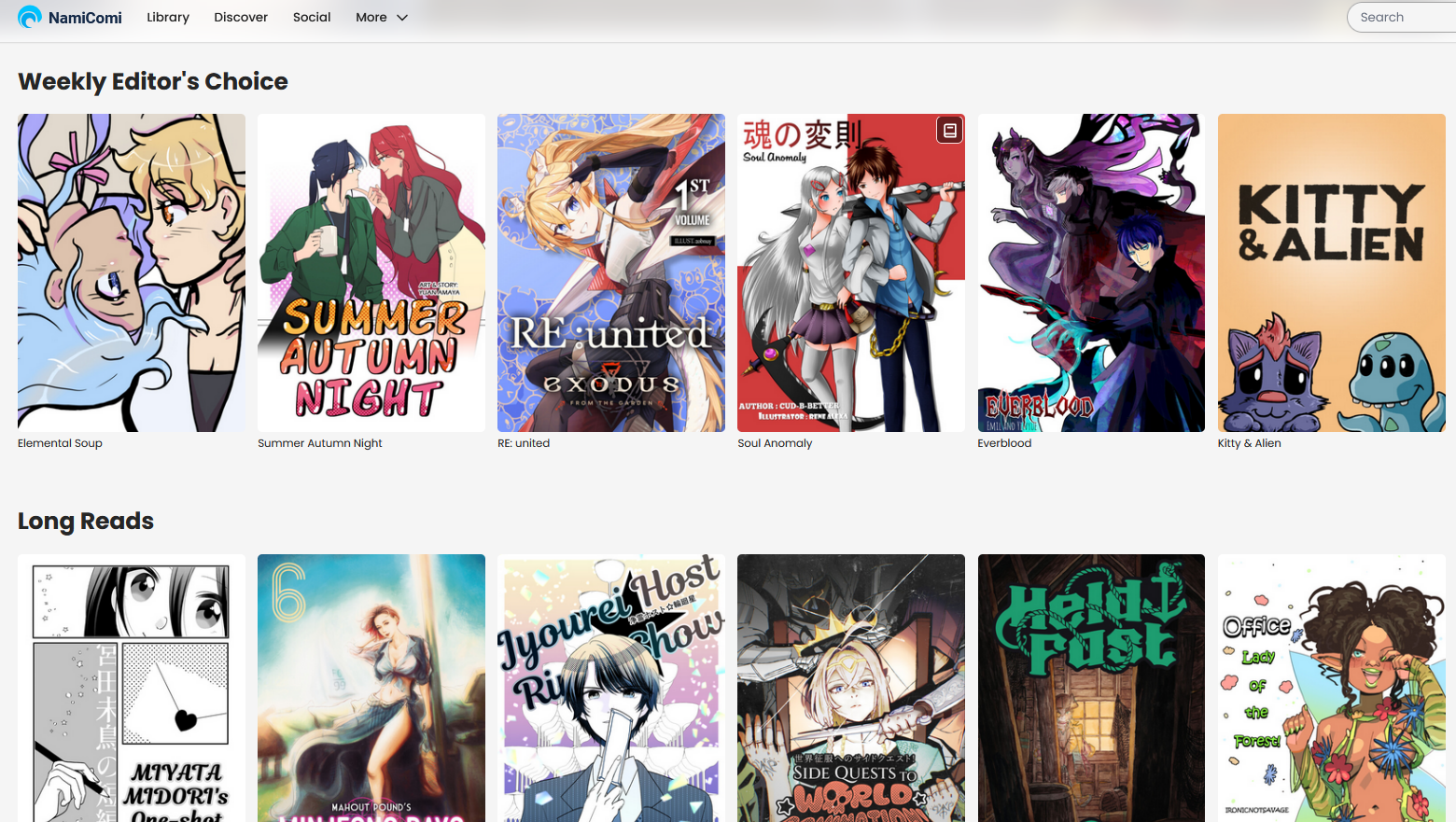
In correspondence, a member of the NamiComi team told me the reader to creator ratio is currently about 100 readers for every 1 creator on the platform. Over 90% of users who pledge to creators support recurrently. The platform is growing through word of mouth, and the team is optimistic about its ability to revolutionize the webcomics world as we know it.
Comics featuring mature content are constrained by App Store and payment processor regulations, but the platforms listed above have generally been described by readers and creators alike as more flexible when it comes to sensitive content than certain alternatives.
It’s really, really hard to make a living as a cartoonist, as a digital creator, in a world where most people don’t really have the money to spend on entertainment or the inclination to pay for what they can get for free somewhere else. But this has been true for a very long time. Long enough that people are building ways to change that.


As a creator who’s been at this since 2001, it fills my heart with joy to see so many creators embracing webcomic’s roots and setting up their own sites again.